ESD Fundamentals
Electrostatic Field Meters
Use cases, meter selection criteria, and practical interpretation tips for electrostatic field measurements in EPA environments.
By OhmShieldPublished 19 Mar 20251 min readUpdated 09 Oct 2026
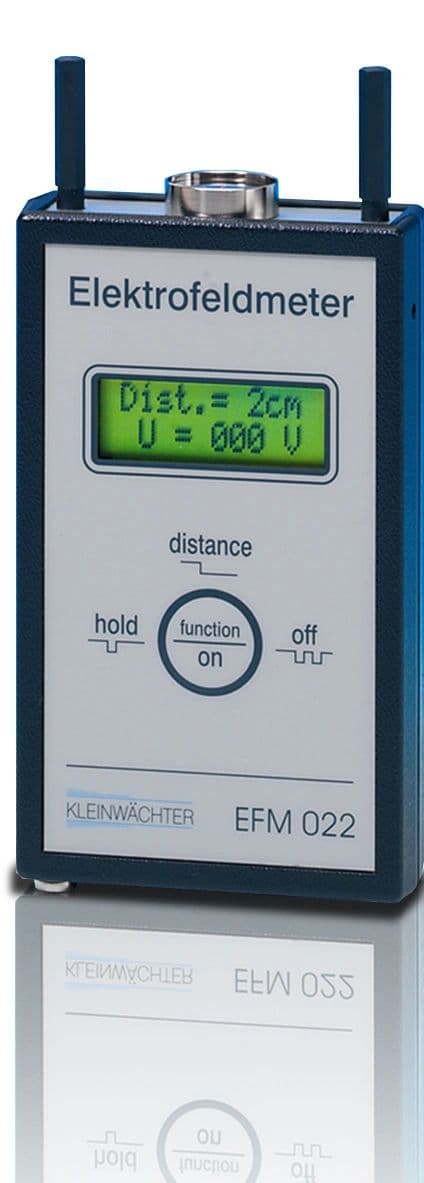
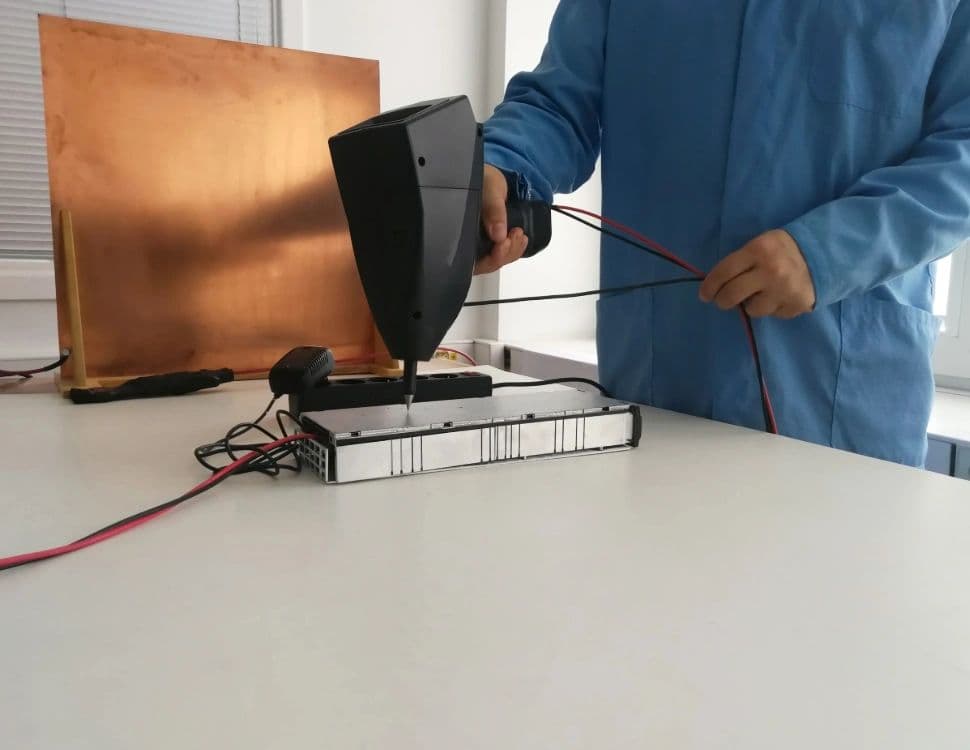
Electrostatic field meters help quality and ESD teams understand whether insulators, process materials, or isolated conductors are carrying a charge that could threaten sensitive devices.
Where field meters add value
They are especially useful during incoming material evaluation, packaging reviews, workstation troubleshooting, ionizer verification, and process change investigations.
What teams should look for
- Stable repeatability at the intended measuring distance
- Clear operating procedure for grounded reference measurements
- Documented calibration and traceability
Field data becomes useful only when the measuring distance, grounding condition, and process state are controlled.
Good practice
Use a defined test distance, record ambient conditions when relevant, and correlate high field readings with real process outcomes instead of treating every reading as a failure on its own.